Just northwest of downtown Houston, near
a bend of the White Oak Bayou and in the shadow of the Katy
Freeway, lies the city’s first incorporated African American
burial ground—Olivewood Cemetery. Years of overgrowth have made
the cemetery virtually unknown to many who drive past it every
day, but guarded therein are the remains of former slaves,
veterans of the armed services, and many of Houston’s prominent
African American founders.
The struggle for survival of the cemetery itself parallels the
collective struggles of the community who built it. Incorporated
a mere 10 years after emancipation, Olivewood is the final
resting place of ministers and shopkeepers, educators and
seamstresses, soldiers and musicians. Many of the mothers,
fathers, sons, and daughters buried there were the men and women
who transitioned Houston’s African American community from
slavery to freedom, and navigated through life in the Jim
Crow-era South.
Among those buried in Olivewood are: Elias Dibble, the first
black ordained Methodist minister in the country, James D. Ryan,
the Dean of Negro Education in Houston and one of the founders
of Emancipation Park, and Charles H. Atherton, the first
principal of the school that is now known as Booker T.
Washington High School. Join us in the Heritage Society Museum
Gallery as we explore the founding and growth of this lost gem
of Houston’s past.
In honor of the 150th anniversary of the Emancipation
Proclamation, come pay your respects to Houston’s past and see
future plans for the preservation of Olivewood Cemetery.
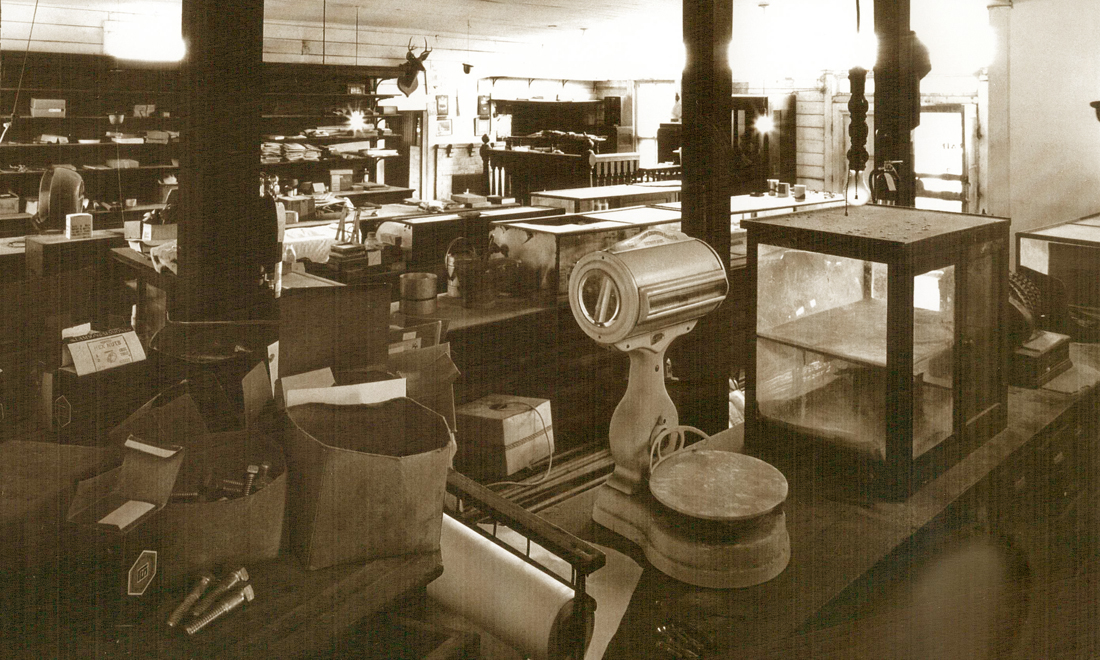
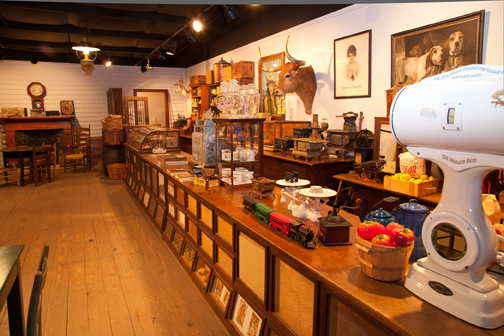
This exhibition is made possible with the support from the
Descendants of Olivewood, Wabash Antiques & Feed Store, Robbin
Monuments & Signs, The Black Heritage Gallery, and Valerie Ward.
The Heritage Society is funded in part by a grant from the
City of Houston through Houston Arts Alliance.
Images: Robert Sennhauser
Neil Armstrong Autographs
From the Anthony Pizzitola Collection
April 3−June
28, 2013

In life and even after death, Neil
Armstrong continues to be an international iconic figure as the
first human to step onto another planetary surface. Equally, in
life and even after death, Neil Armstrong’s autograph is the
most valuable on this planet. This is partly due to his abrupt
no-autograph policy launched in 1994 due to his disdain for his
signature being used as a commercial instrument and other
factors impacting this very private person. He also exclaimed
that in 1969 legendary aviator Charles Lindbergh advised him to
never sign autographs.
The Heritage Society is proud to host an extensive display of
Neil Armstrong autographs from the collection of Anthony
Pizzitola who began pursuing the modern day Christopher Columbus
in 1979. The exhibition will include both famous and rare signed
photographs. Pizzitola is a member of the Universal Autograph
Collectors Club and is the author of Neil Amstrong: The Quest
for His Autograph. Pizzitola also contributed to First Man,
Armstrong’s authorized biography by Dr. James Hansen. Based on
his collection and knowledge of the famous astronaut, Pizzitola
is a recognized authority who has been interviewed by the local
media and the British Broadcasting Company.
This special exhibit of Neil Armstrong memorabilia will be on
display in The Heritage Society’s Museum Gallery from April
3–June 28, 2013.
The Heritage Society is funded in part by a grant from the
City of Houston through Houston Arts Alliance.